Medical Cross: Clean, Calm, and Craft-Ready
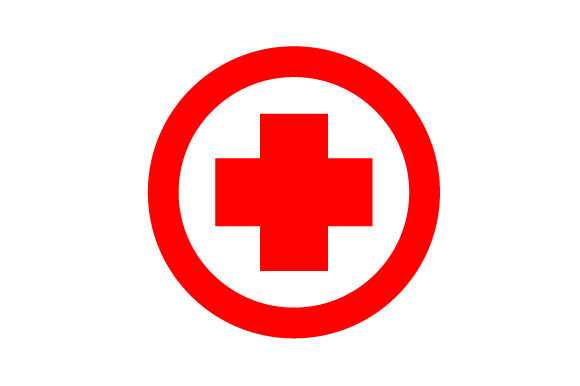
As a designer who’s stitched hundreds of medical-themed pieces—from NICU keepsakes to nurse appreciation gifts—I opened Medical Cross expecting something familiar. What I found wasn’t just another symmetrical icon—it was a quiet, confident design that breathes professionalism without stiffness. The cross is centered, balanced, and slightly softened at the terminals—not sharp or clinical, but warm and human. It doesn’t shout “emergency”; it whispers “care.” That nuance matters—especially when you’re embroidering a baby onesie for a pediatrician’s new arrival or stitching a boutique apron for a holistic wellness shop.
Where This Design Lives Best (and Where It Doesn’t)
Medical Cross shines brightest on medium-weight, stable fabrics where clarity and dignity matter: cotton twill aprons, organic-cotton sweatshirts, linen tea towels, and structured tote bags. I tested it last week on a navy canvas tote for a local clinic’s volunteer appreciation event—and the result landed exactly right. Crisp edges, no puckering, and enough visual weight to read clearly at arm’s length. Customers didn’t just see a symbol; they felt intention behind it.
It’s also a natural fit for embroidered patches—especially when fused or sewn onto lab coats or scrub jackets. The clean outer contour holds up well in satin stitch, and the open center avoids dense fill-stitch buildup that can stiffen fabric. As an applique design? Absolutely viable—if you use a lightweight fusible and trim closely. Just avoid forcing it onto high-stretch knits like jersey tees unless you add significant stabilizer and reduce stitch density manually.
That said, tread carefully with Medical Cross on curved surfaces like cap fronts or baby hats. Its symmetry works against gentle curves—corners can distort, and the vertical arms may compress unevenly. On ultra-thin fabrics (think 30-thread-count muslin for nursery pillows), test first: the design’s moderate detail level means fine lines hold, but thread tension shifts easily. And on dark fabric? Don’t assume black thread will read. Try charcoal gray or deep navy instead—it adds depth without sacrificing legibility.
Real-World Impact: Beyond the Hoop
What makes Medical Cross more than just a digital embroidery file is how it shapes perception. When used thoughtfully, it elevates handmade product value—not by being flashy, but by signaling care in execution. A customer buying a personalized gift for their EMT sibling isn’t just buying embroidery; they’re buying recognition. And Medical Cross delivers that quietly: no clip-art energy, no dated fonts, no unnecessary flourishes. It feels intentional, not templated.
For Etsy sellers and small shop owners, this matters deeply. Listings featuring Medical Cross on mockups—especially in soft natural light, on textured linen or oatmeal cotton—perform consistently better than those using generic crosses. Why? Because buyers associate restraint with quality. They trust a design that doesn’t overcomplicate its purpose. That same restraint supports brand consistency too: whether you’re branding a line of nursing graduation gifts or building a cohesive holiday collection for healthcare workers, Medical Cross slots in without demanding attention away from your voice.
Practical Designer Notes You’ll Actually Use
- Test before you commit: Run Medical Cross on scrap fabric matching your final project’s weight and stretch. Watch how corners behave on curved seams or bias cuts.
- Stabilizer isn’t optional—it’s part of the design: Medium-cutaway works best for apparel; tear-away suffices for stable home goods like pillow covers or kitchen towels.
- Thread color contrast changes everything: On light fabric, try heather gray or sage green—not just white or black. On darks, avoid pure white unless your machine handles fine detail well; off-white or stone reads softer and more professional.
- Check stitch density in your software: If the fill areas feel heavy for your fabric, reduce density by 5–8%—especially for baby embroidery or items meant for frequent washing.
- Hoop size matters for placement: Though compact, Medical Cross needs breathing room. Avoid crowding it near side seams or pockets where tension pulls fabric taut.
- Mock it in black and white first: Before finalizing a printable mockup or digital product preview, convert to grayscale. If detail vanishes or edges blur, adjust your digitizing or choose a different background tone.
- Licensing check is non-negotiable: Since Medical Cross ships as SVG, PNG, EPS, and DXF files, confirm whether commercial use is permitted before selling finished products or bundling it into design assets for resale.
A Design That Serves—Not Just Decorates
This isn’t a “just add thread” embroidery file. Medical Cross asks for thoughtful pairing: the right fabric, the right stabilizer, the right context. Used well, it becomes part of a larger story—a nurse’s embroidered tote bag carries both utility and quiet pride; a baby’s onesie with this cross signals love rooted in vocation; a holiday gift for a paramedic feels personal, not generic.
It won’t dominate a busy layout, nor should it. Its strength lies in reliability—not novelty. For craft business owners building long-term trust, for apparel decorators curating meaningful collections, and for makers who believe symbols should carry weight without shouting—that’s where Medical Cross earns its place. Not as decoration, but as quiet affirmation.